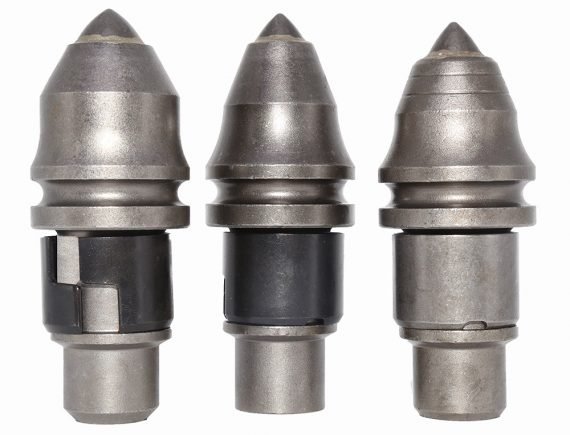
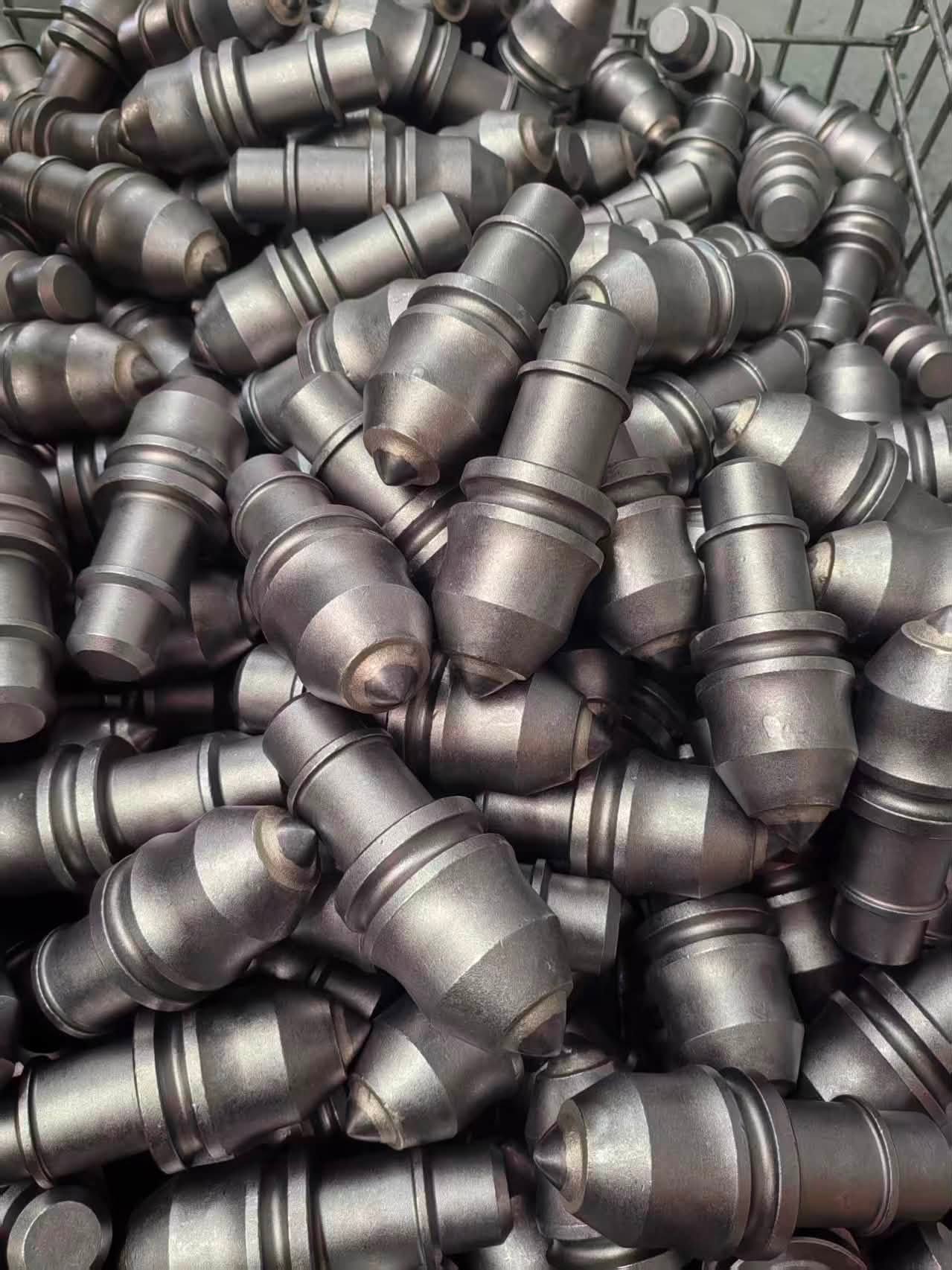
Hard rock drilling often stops projects early. Fast bullet tooth wear increases costs, slows progress, and causes unexpected downtime. Many buyers replace teeth often but still cannot solve the real problem.
Bullet teeth wear out quickly in hard rock drilling because of abrasive rock, poor tooth selection, incorrect drilling methods, low-quality materials, and poor maintenance. Choosing the right tooth, using proper operating practices, and buying reliable products can greatly extend service life and reduce drilling costs.
I have worked with many drilling contractors who faced the same problem. They first believed the teeth were defective. Later, they found that drilling conditions, machine settings, and maintenance had a much bigger impact than expected.
Why Does Hard Rock Damage Bullet Teeth So Fast?
Hard rock creates much higher stress than soft soil. Every rotation and impact puts pressure on the carbide tip and steel body.
Hard rock contains highly abrasive minerals that continuously grind the carbide tip and steel body. Strong impact forces also create cracks, heat, and faster material loss, especially in granite, basalt, and quartz-rich formations.

What Makes Hard Rock Different?
Not all rock causes the same wear.
| Rock Type | Hardness | Wear Rate | Common Challenge |
|---|---|---|---|
| Limestone | Medium | Moderate | Surface abrasion |
| Sandstone | Medium-High | High | Sand particles accelerate wear |
| Granite | Very High | Very High | Heavy impact and abrasion |
| Basalt | Very High | Extremely High | High compressive strength |
| Quartz-rich Rock | Extremely High | Severe | Carbide grinding |
Quartz is one of the biggest enemies of bullet teeth. Even premium carbide tips wear much faster when quartz content is high.
Abrasion Is Not the Only Problem
Many people only think about abrasion. Impact damage is equally important.
Repeated impact can create tiny cracks inside the carbide tip. These cracks slowly become larger. One day the carbide tip breaks completely.
This usually happens when drilling fractured rock or mixed formations.
Heat Also Reduces Tool Life
High drilling speed creates heat.
Heat can reduce carbide strength over time. If cooling is poor, thermal stress becomes another reason for early failure.
How Does Bullet Tooth Quality Affect Service Life?
Many buyers compare only prices. Few compare manufacturing quality.
High-quality bullet teeth use premium alloy steel, high-grade tungsten carbide, precision brazing, and proper heat treatment. These factors improve wear resistance, reduce breakage, and increase drilling efficiency.

The Importance of Tungsten Carbide
The carbide tip performs most of the cutting work.
Good carbide offers:
- Better hardness
- Better impact resistance
- Longer service life
- Lower replacement frequency
Cheap carbide often chips early.
Heat Treatment Matters
The steel body must be hard enough to resist wear but flexible enough to absorb impact.
Poor heat treatment causes:
| Poor Heat Treatment | Result |
|---|---|
| Too hard | Body cracks |
| Too soft | Fast wear |
| Uneven hardness | Early failure |
| Poor toughness | Tooth breaks easily |
A balanced heat treatment process creates both strength and toughness.
Manufacturing Accuracy
Even small production errors affect performance.
Good manufacturers carefully control:
- Carbide positioning
- Brazing temperature
- Alloy composition
- Surface hardness
- Dimensional accuracy
These details determine whether a tooth lasts 30 hours or 100 hours.
Are You Using the Right Bullet Teeth for Your Rock Formation?
Many failures start before drilling begins.
Different ground conditions require different bullet teeth. Matching the carbide shape, steel body, and holder design to the rock type can significantly improve drilling efficiency and reduce wear.

Different Rocks Need Different Designs
One design cannot fit every project.
| Formation | Recommended Tooth |
|---|---|
| Clay | Standard carbide |
| Soft rock | Medium-duty carbide |
| Hard rock | Heavy-duty carbide |
| Mixed ground | Reinforced carbide |
| Highly abrasive rock | Premium carbide grade |
Carbide Shape Makes a Difference
Several carbide tip designs exist.
Some penetrate faster.
Others resist wear longer.
The correct choice depends on drilling goals.
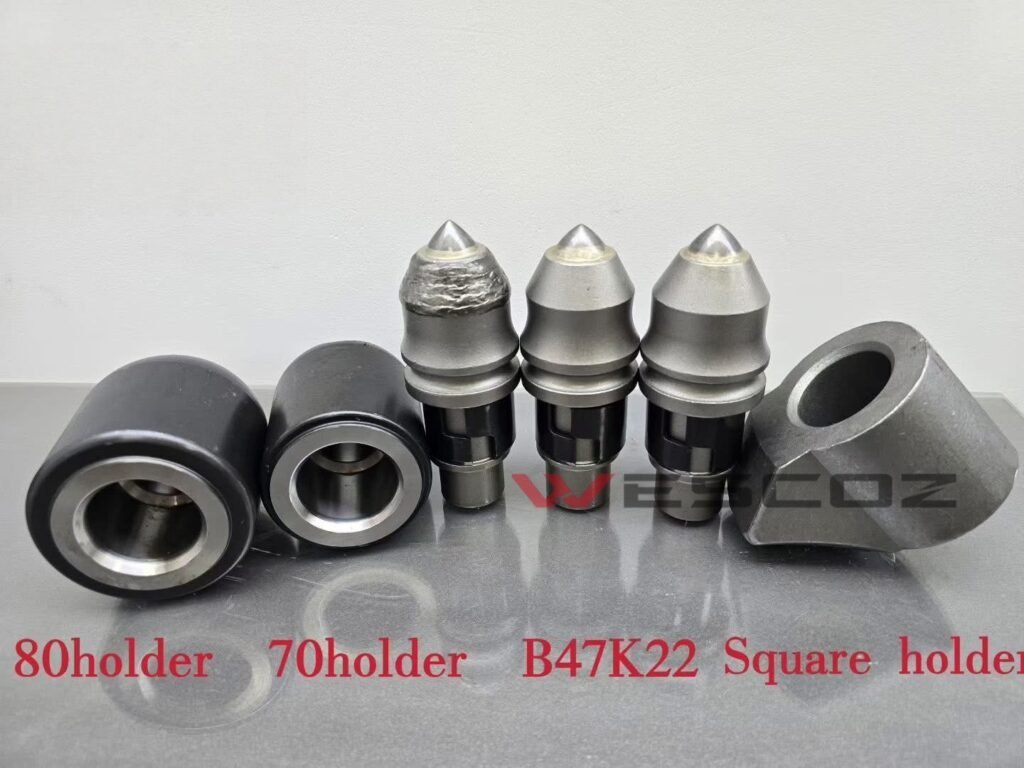
Holder Compatibility
The holder controls tooth movement.
Loose holders increase vibration.
Too much vibration causes uneven wear.
Always inspect holders during maintenance.
Can Incorrect Drilling Practices Destroy Bullet Teeth?
Good operators often extend tool life without changing products.
Incorrect drilling speed, excessive pressure, poor rotation control, and improper machine settings increase wear dramatically. Correct operating methods protect both the teeth and the drilling equipment.
Common Operator Mistakes
I have visited many drilling sites.
These mistakes appear frequently.
| Mistake | Result |
|---|---|
| Excessive feed pressure | Carbide breakage |
| High rotation speed | Heat generation |
| Sudden impact | Chipping |
| Poor alignment | Uneven wear |
| Ignoring vibration | Holder damage |
Balanced Drilling Is Better
Many operators believe faster drilling saves time.
Sometimes slower drilling actually finishes projects sooner.
Lower wear means fewer interruptions for replacement.
Machine Maintenance Is Important
Poor hydraulic systems create unstable drilling.
Loose machine components increase vibration.
Regular inspection improves drilling stability.
How Can Regular Maintenance Extend Bullet Tooth Life?
Maintenance is often the cheapest way to reduce costs.
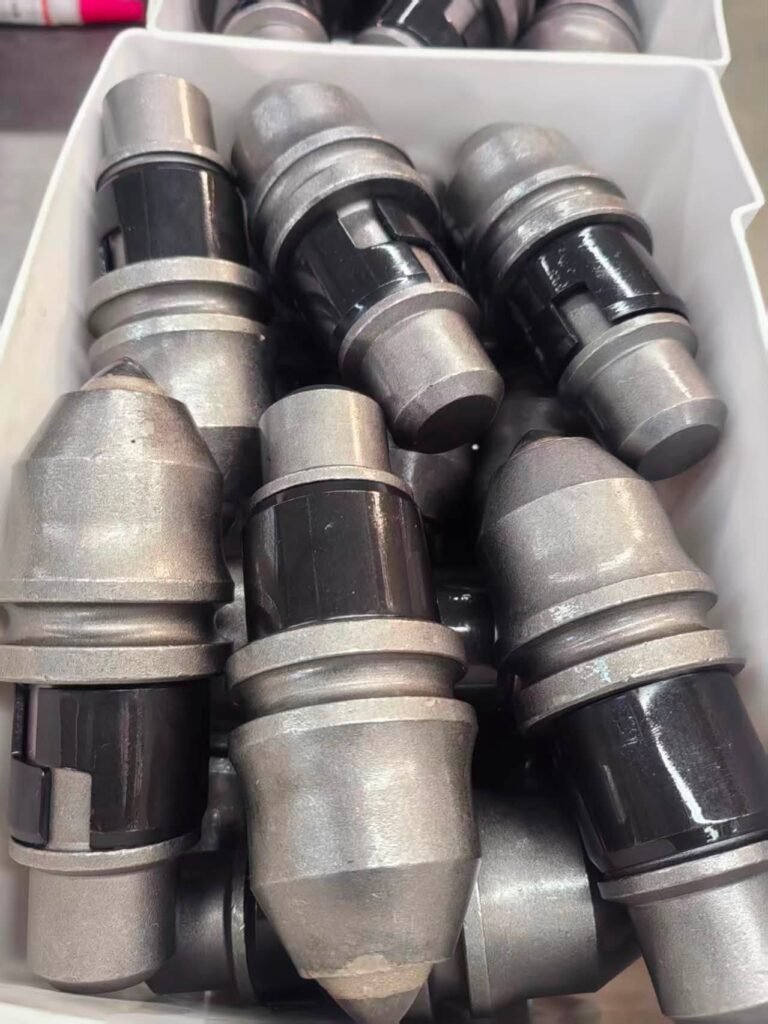
Routine inspection, timely replacement, proper cleaning, and correct storage prevent unnecessary wear and reduce unexpected failures during drilling operations.
Daily Inspection Checklist
I recommend checking tools before every shift.
| Inspection Item | Why It Matters |
|---|---|
| Carbide tip | Detect cracks |
| Steel body | Find deformation |
| Holder | Prevent looseness |
| Rotation | Ensure free movement |
| Wear pattern | Identify drilling problems |
Replace Teeth Before Complete Failure
Waiting too long causes bigger problems.
Broken carbide damages holders.
Damaged holders increase maintenance costs.
Replacing teeth earlier usually saves money.
Proper Storage
Good storage also matters.
Keep teeth:
- Dry
- Clean
- Free from rust
- Away from moisture
- Properly organized
Which Bullet Tooth Materials Perform Best in Hard Rock?
Material selection directly affects drilling cost.
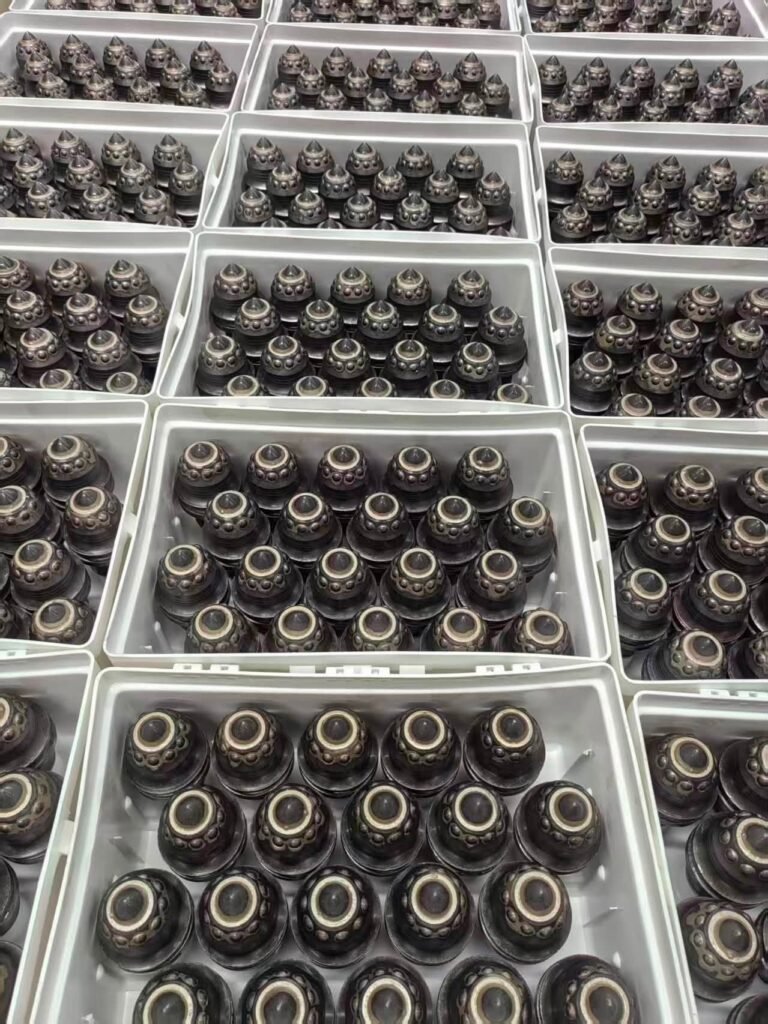
Premium tungsten carbide combined with forged alloy steel delivers the best balance between wear resistance, impact strength, and service life for demanding hard rock drilling conditions.
Material Comparison
| Material | Wear Resistance | Impact Resistance | Typical Use |
|---|---|---|---|
| Standard Steel | Low | Medium | Light drilling |
| Alloy Steel | Medium | High | General drilling |
| Forged Alloy Steel | High | Very High | Heavy-duty drilling |
| Premium Carbide | Excellent | Excellent | Hard rock |
Forging Improves Strength
Forging creates a stronger internal structure.
This improves:
- Fatigue resistance
- Toughness
- Durability
- Structural consistency
Better Materials Lower Total Cost
Premium products cost more at the beginning.
They usually reduce:
- Replacement frequency
- Labor costs
- Machine downtime
- Total project cost
The lowest purchase price is rarely the lowest operating cost.
How Do I Choose Reliable Bullet Teeth Suppliers?
The supplier affects long-term project success.
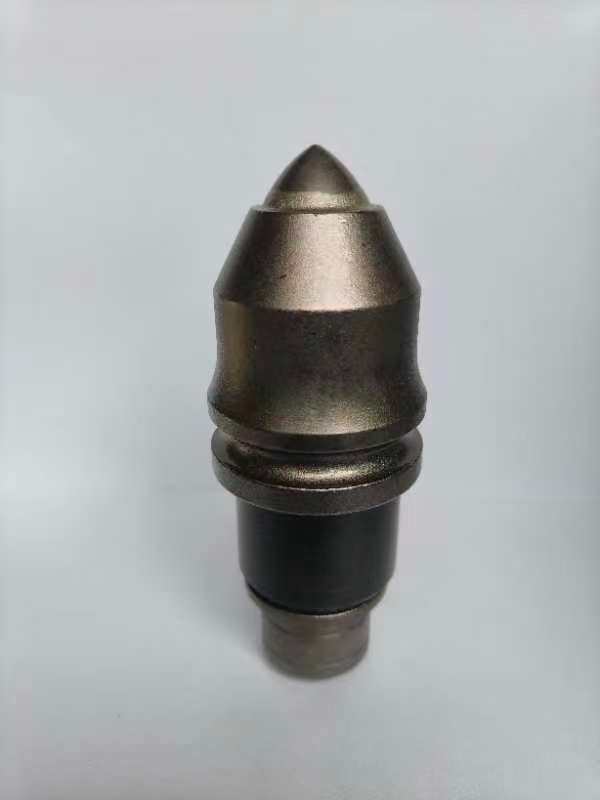
Reliable suppliers provide consistent quality, stable production, strict quality control, technical support, and fast delivery. They focus on long-term performance instead of only offering the lowest price.
Important Evaluation Factors
| Evaluation Item | Why It Matters |
|---|---|
| Production experience | Stable manufacturing |
| Quality inspection | Consistent products |
| Material traceability | Reliable performance |
| Inventory | Fast delivery |
| Technical support | Better product selection |
Ask Technical Questions
Before placing an order, I usually ask:
- Which carbide grade is used?
- What heat treatment process is applied?
- Are the teeth forged?
- What rock conditions are recommended?
- What quality inspections are performed?
Professional suppliers answer these questions clearly.
Think Beyond Unit Price
Many buyers focus only on the quotation.
I prefer calculating:
- Cost per drilled meter
- Replacement time
- Machine downtime
- Labor cost
- Overall project efficiency
This provides a much better comparison.
Conclusion
Bullet teeth wear quickly in hard rock because of abrasive formations, incorrect selection, poor operation, and inconsistent quality. The right products, proper drilling practices, and regular maintenance can greatly improve drilling efficiency while reducing total operating costs.